


Uganda generates an estimated 41,000 tonnes of e-waste annually, according to figures cited by the Ministry of ICT and National Guidance. As access to technology grows, so does the need to responsibly manage unwanted phones, computers and other ICT equipment.
As E-Waste often contain valuable and scarce resources such as silver and gold, the lack of recycling results in a loss of resources and energy that could have been put to better use.
When discarded electronics are dumped, burned or mixed with ordinary rubbish, these resources are lost, while hazardous substances can harm people and the environment.
The Uganda Communications Commission (UCC) is addressing this challenge through its ICT E-Waste Collection Initiative. As an implementing partner, VAS Consults supports public awareness, accessible collection and digital tracking, helping channel unwanted ICT equipment towards reuse, refurbishment, recycling and responsible disposal. The initiative also generates practical lessons to strengthen Uganda’s long-term e-waste management systems.
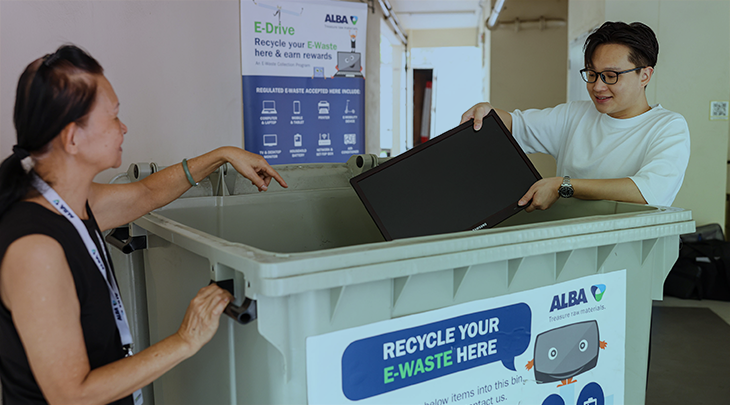
Whether you are a household, school, business or public institution, you have a role to play. Keep e-waste separate from ordinary rubbish and use designated collection channels helping protect communities, conserve resources and build a more sustainable digital Uganda.
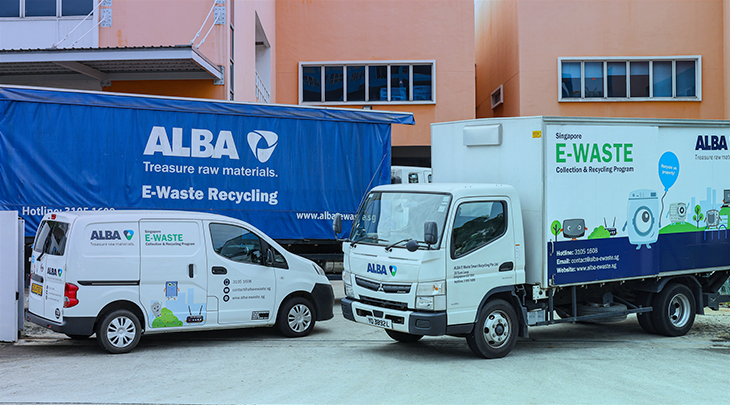
For the disposal of old IT equipment and other electronics from your business premises, please contact us to arrange collection and data erasure.

Computer

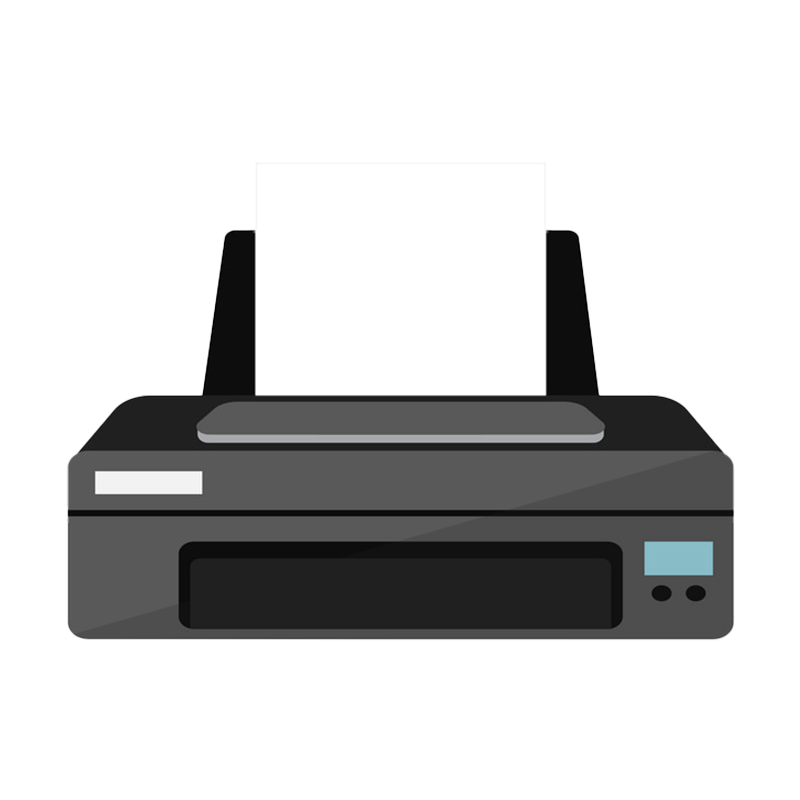
Printer

Mobile Phone

Monitor
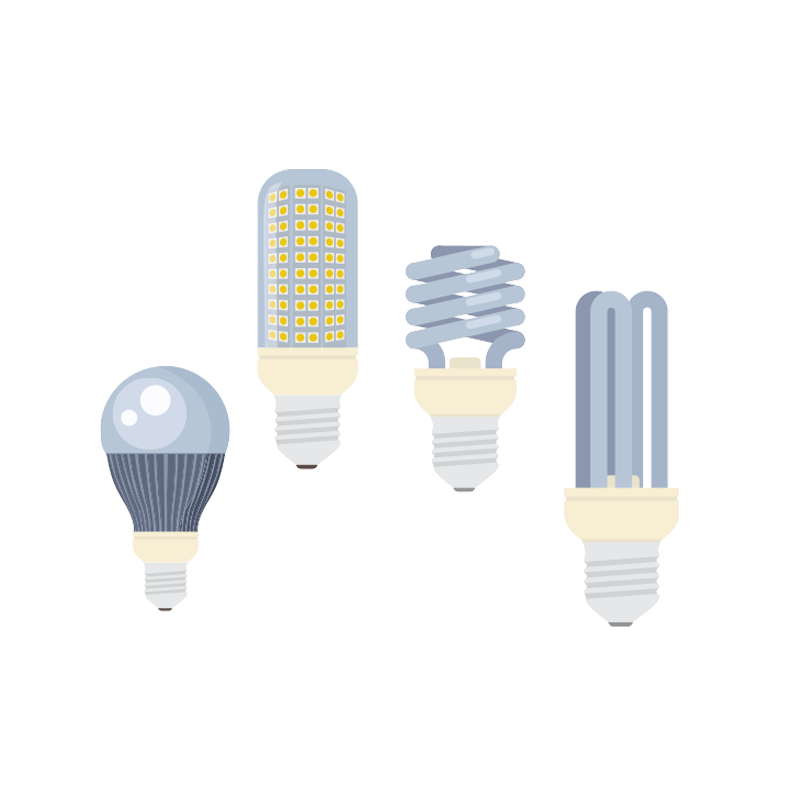
Lighting
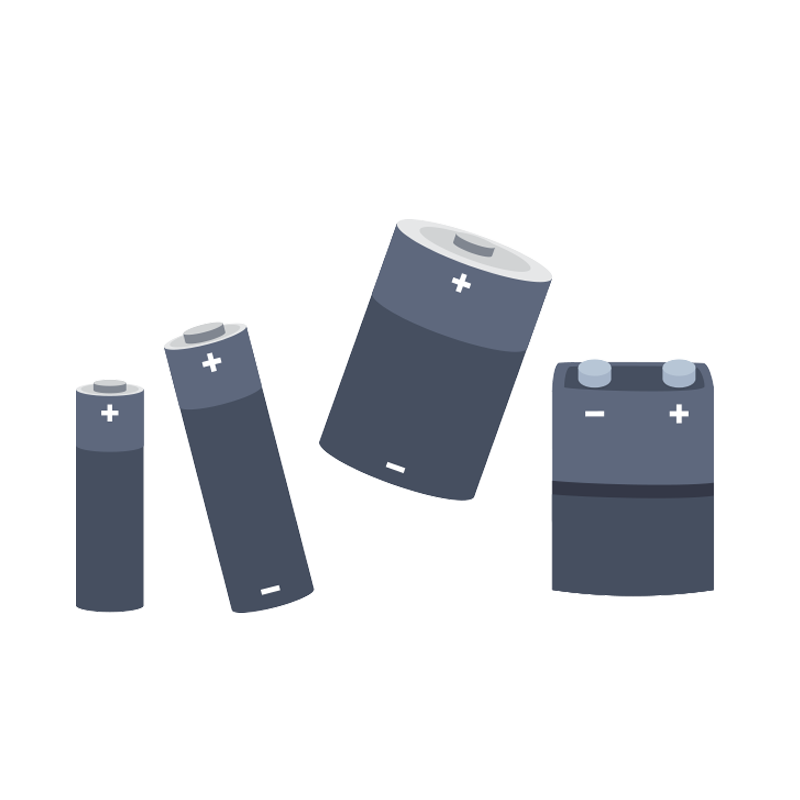
Battery
Television
Refrigerator
Washing Machine
Dryer
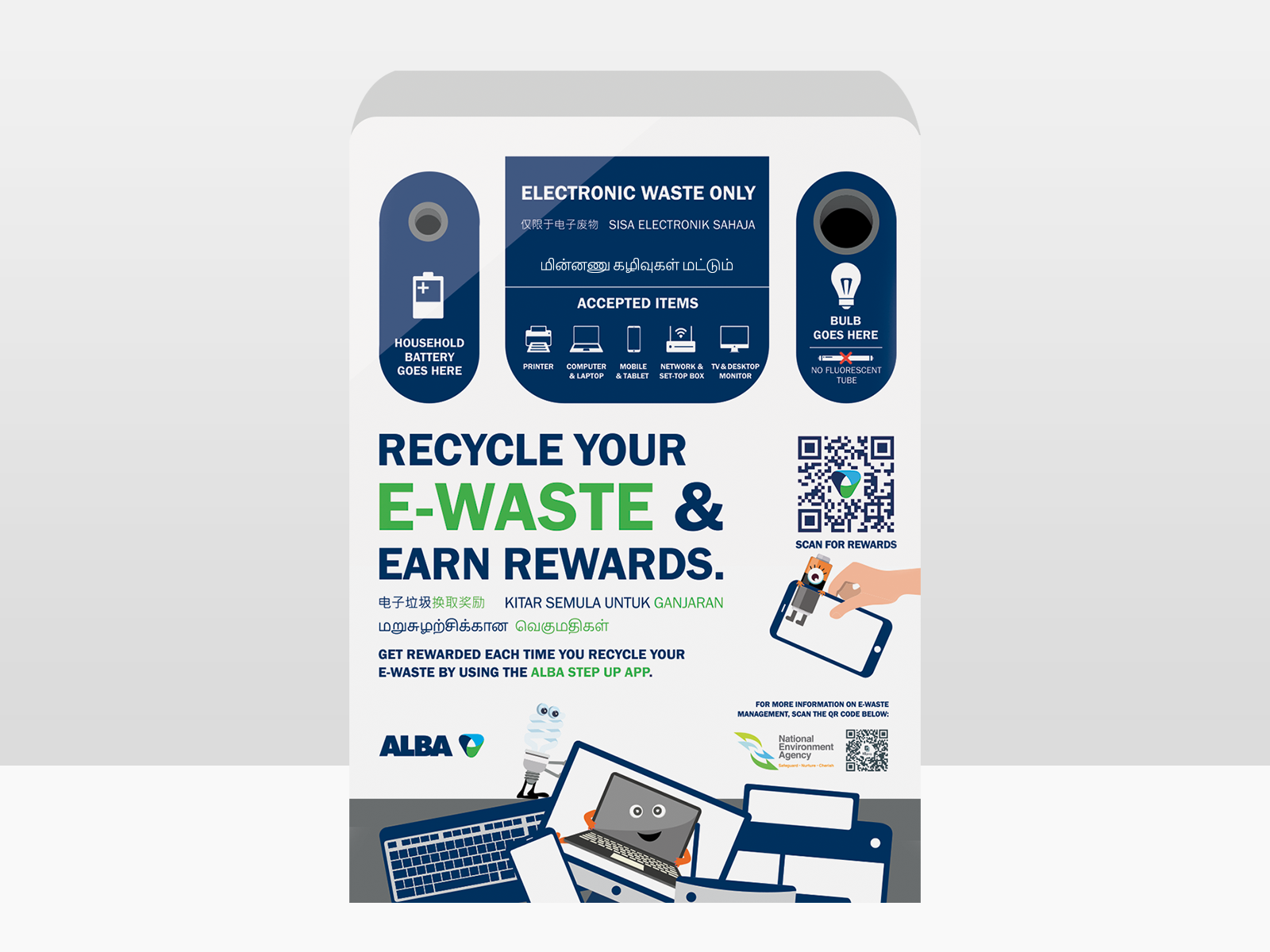
Accepted E-Waste:
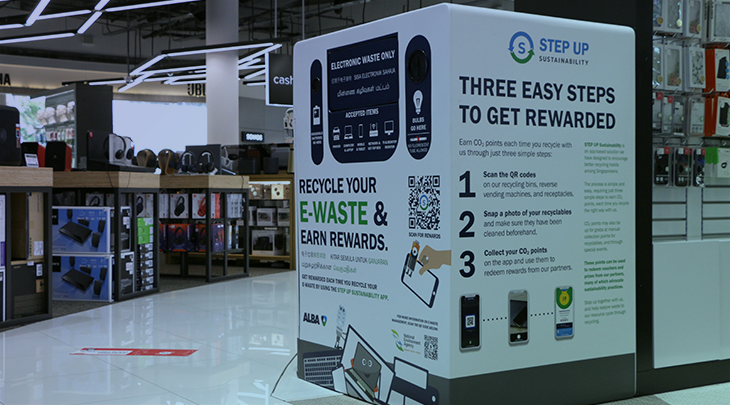
• Batteries (AA, AAA, AAAA, D, C, 9-volt, Button Cell only) – circumference ≤ 50mm • Light Bulbs – circumference ≤ 100mm • ICT equipment: Printers, power banks, computers & laptops, mobile phones & tablets, network & set-top boxes, TVs & desktop monitors – devices must be able to fit through a 500mm x 250mm slot • ICT equipment can be disposed of together with their embedded batteries as well as any cables, adaptors, remote controls, keyboards used with the product.
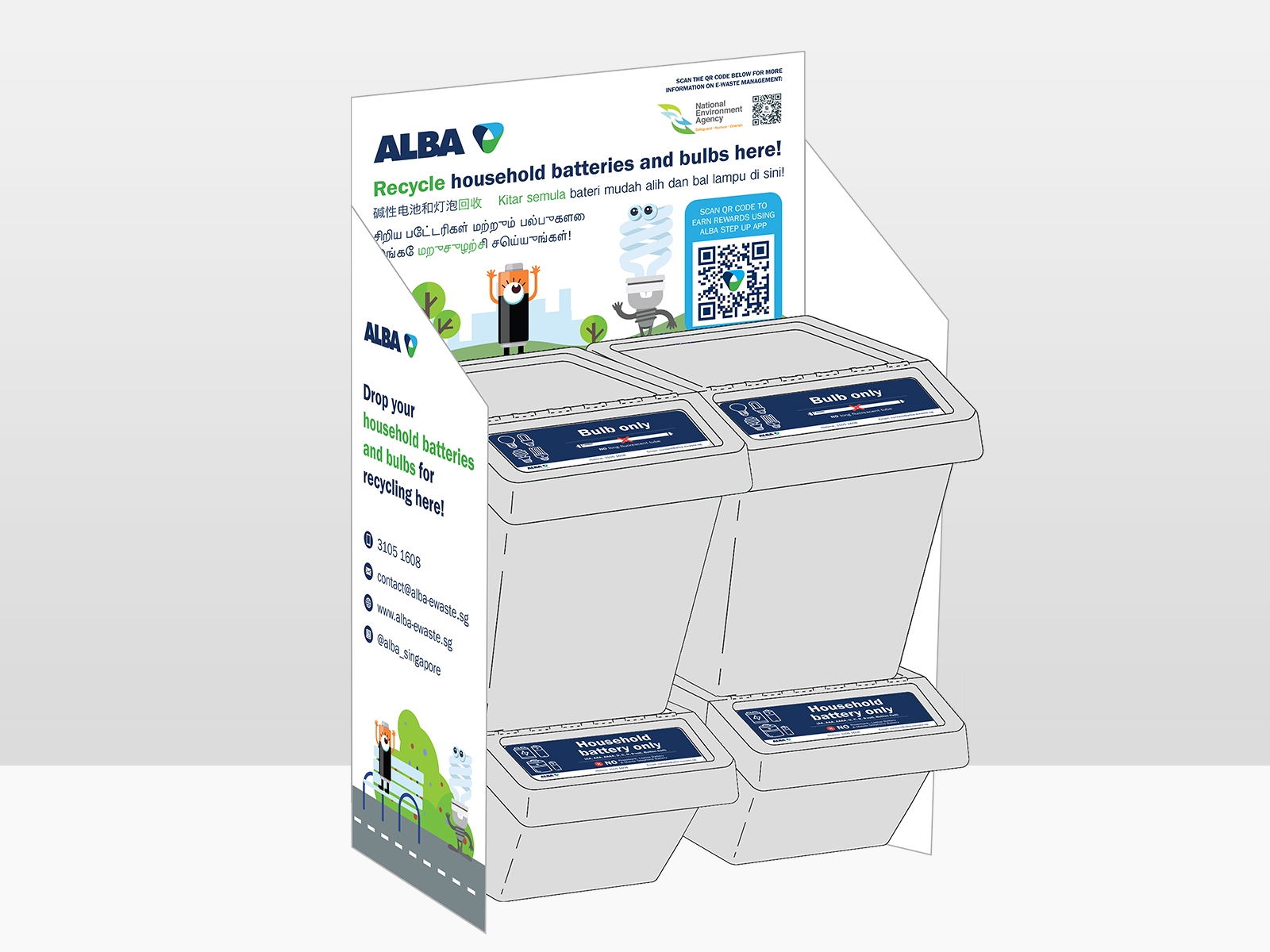
Accepted E-Waste:
• Bulbs • Batteries (AA, AAA, AAAA, D, C, 9-volt, and Button Cell only)
Fluorescent Tubes are accepted at selected locations
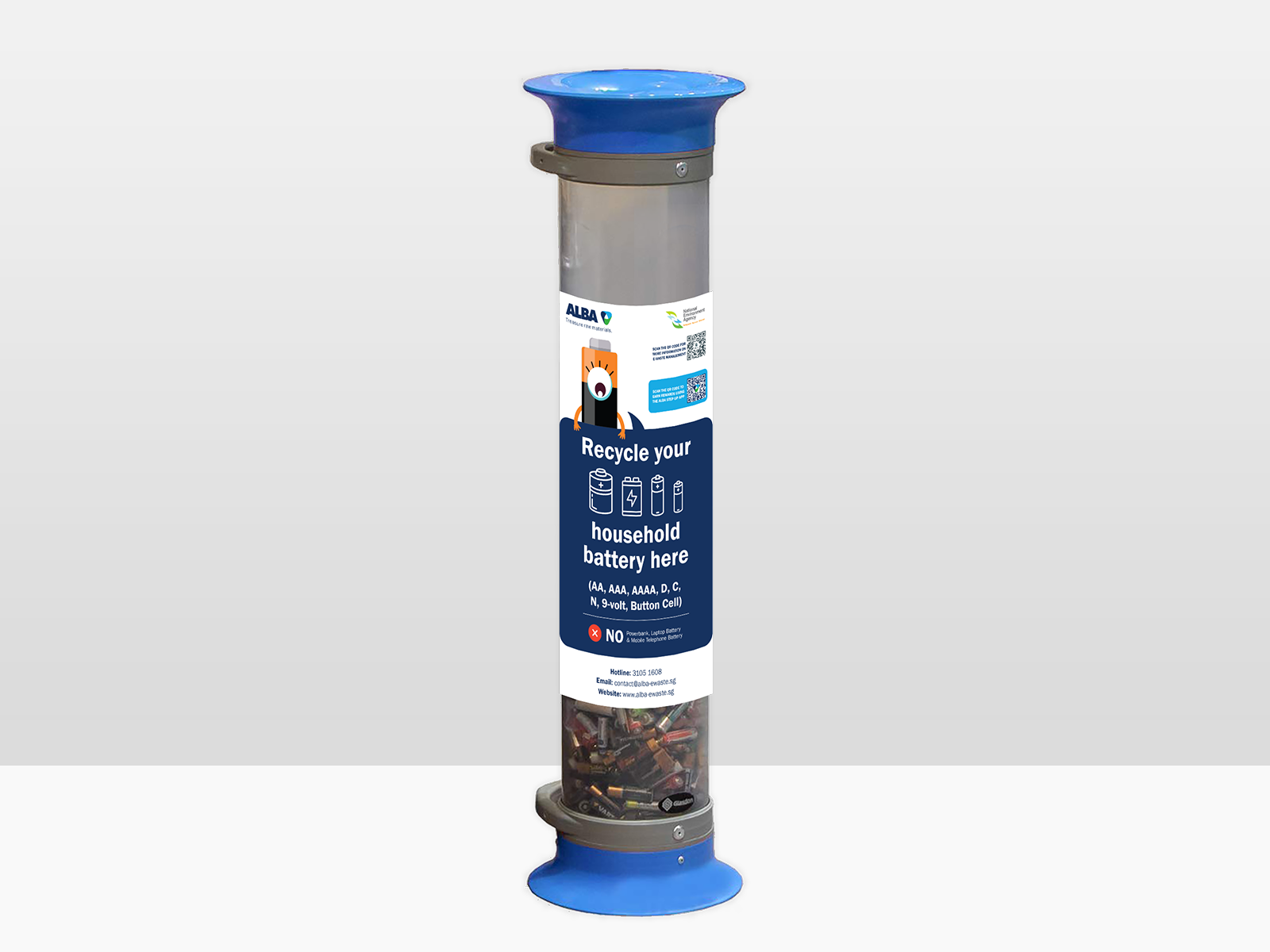
Accepted E-Waste:
• Batteries (AA, AAA, AAAA, D, C, 9-volt, and Button Cell only)
Before you dispose your E-Waste, there are some things you should take note of:
Step 1: Check here to make sure you are disposing only accepted E-Waste items at the Bins.
For non-accepted E-Waste, alternative collection options are available, please contact us.
Do not dispose any other types of waste (e.g. general waste, food, plastics) at our bins.
Step 2: Remove all packaging (e.g. boxes, plastic wraps, bags). Dispose only the E-Waste unless it is damaged.
Step 3: (for damaged E-Waste only): Broken appliances or leaking batteries may be disposed of by Securing it properly in a container.
Step 4 : Drop off your E-Waste at designated points. Do note that different E-Waste has different collection avenues, to find out what is available for your E-Waste, click here .
For ICT Equipment:
• Wipe all data on your devices whenever possible
For Light Bulbs:
• Do note that long fluorescent tubes are only collected at our E-Drives, our offices in Ntinda, and at selected partner locations.
For Large Household Appliances:
• Disconnect any cables / connections and ensure appliances, fittings or equipment have been switched off
• Empty, properly defrost and clean refrigerators and deep freezers
© VAS Consults Ltd 2026